After a fire, water loss, storm, or other property disaster, the first few decisions can shape the rest of the recovery process. Structural damage often receives immediate attention, but contents inside the property need planning too.
Furniture, electronics, documents, clothing, artwork, and personal belongings can sit in affected conditions if a contents packout is delayed. That delay can create more confusion, slow restoration work, and make the contents portion of the claim harder to manage.
At Blue Kangaroo Packoutz, contents restoration is our specialty. We care about what we carry, and that commitment guides how we document, remove, store, clean, and return belongings after a loss.
What Is a Contents Packout?
A contents packout is the organized removal of belongings from a damaged property. Items are documented, photographed, packed, transported, stored, and prepared for cleaning or restoration when appropriate.
This process helps separate contents care from structural restoration. Contractors can access affected areas, and belongings can be tracked through a defined workflow.
A structured packout also helps support insurance communication by creating a clearer record of what was removed and how each item was handled.
Why Timing Matters After a Disaster
Disaster recovery moves through several connected stages. Mitigation, inspection, repair, cleaning, storage, and packback all depend on clear coordination.
When contents stay inside a damaged property too long, these stages can become harder to manage. Belongings may block work areas, absorb moisture or odor, or require repeated handling as repairs progress.
Prompt planning helps reduce disorder during the early response. It also gives property owners, contractors, and insurance professionals better visibility into the recovery timeline.
Delayed Packout Can Limit Restoration Access
One of the most common problems caused by a delayed contents packout is limited access. Contractors often need open space to inspect damage, set equipment, remove materials, and begin repairs.
Furniture, boxes, rugs, appliances, and personal belongings can block floors, walls, cabinets, and mechanical areas. Crews may need to move items repeatedly before they can work.
A detailed packout helps clear affected spaces so restoration teams can focus on the structure rather than working around belongings room by room.
Belongings May Be Handled Too Many Times
When contents are not removed early, they may be shifted from one area to another as work progresses. This can create confusion about item location, condition, and ownership.
Repeated handling also makes it harder to keep belongings organized. Items may be placed in rooms where they did not originate, or mixed with contents from other areas.
A structured packout reduces this issue by documenting and removing items through one organized process.
Documentation Can Become More Difficult
Clear documentation is one of the most important parts of contents restoration. Photographs, room records, item descriptions, and condition notes help create a reliable record after a loss.
If packout is delayed, the property environment may change before documentation is complete. Items may be moved, affected areas may be altered, or repairs may begin before belongings are fully recorded.
A documented approach to protecting and tracking contents after a loss helps create a stronger reference point for property owners, contractors, and insurance professionals.
Water Damage Can Affect Contents Quickly
Water losses can create urgency for both the structure and the belongings inside. Porous items such as fabric, paper, cardboard, upholstered furniture, and certain wood pieces can absorb moisture.
The longer items sit in damp conditions, the more complicated assessment and cleaning may become. Moisture can also affect boxes, books, photographs, and stored household goods.
A prompt packout helps move belongings into a more organized workflow for evaluation, storage, and cleaning when appropriate.
Smoke and Soot Residue Can Spread
After a fire or smoke event, residue can settle across surfaces beyond the area of direct flame damage. Smoke can affect furniture, clothing, dishes, electronics, books, artwork, and décor.
If contents stay inside the property during active restoration, items may continue to be exposed to residue, debris, and changing conditions. This can make the cleaning process more complicated.
Prompt documentation and packout help separate affected belongings from the active work zone so each item can be assessed more clearly.
Odor Can Become Harder to Manage
Odor is another concern after fire, smoke, water, or debris exposure. Soft goods, upholstery, rugs, paper items, and unfinished wood can absorb odors from the surrounding environment.
When contents sit inside an affected property for an extended period, odor concerns may become more noticeable. Items may need more careful evaluation and cleaning planning.
A contents packout supports a more controlled process by moving belongings into organized storage or contents cleaning workflows.
Delays Can Slow Structural Restoration
Contents do not only affect belongings. They can also affect the pace of structural recovery.
Contractors may need clear access to walls, flooring, ceilings, cabinetry, utilities, and equipment placement areas. If belongings are still in the way, work may be paused or rescheduled.
This can extend the overall project timeline and create more coordination challenges for property owners and insurance professionals.
Insurance Claims May Become More Complicated
Insurance claims often depend on clear documentation and organized communication. A delayed contents packout can create more questions about item condition, timing, and handling.
If belongings were moved before documentation, or exposed to changing conditions for too long, the contents portion of the claim may become harder to explain.
A structured contents workflow helps support claim clarity. It gives all parties a better record of what happened, what was removed, and what steps come next.
Property Owners May Experience More Stress
A delayed packout can also make the recovery experience more stressful for property owners. After a disaster, people want to know what is happening to their belongings and what steps come next.
When contents are still scattered throughout a damaged property, answers can be harder to provide. Personal items may be difficult to locate, and rooms may become harder to navigate.
A defined packout process helps create order during a difficult time by giving belongings a documented path from removal through return.
Commercial Properties May Face Added Disruption
For businesses, delayed contents packout can affect operations, employees, customers, and reopening timelines. Office equipment, inventory, records, furniture, and supplies may all need organized handling.
If contents block repairs or cannot be located when needed, business recovery may slow down. Commercial properties may also require phased access to certain items during restoration.
A structured packout helps keep business belongings organized by department, suite, tenant, or work area.
Multi-Unit Properties Can Become More Difficult to Manage
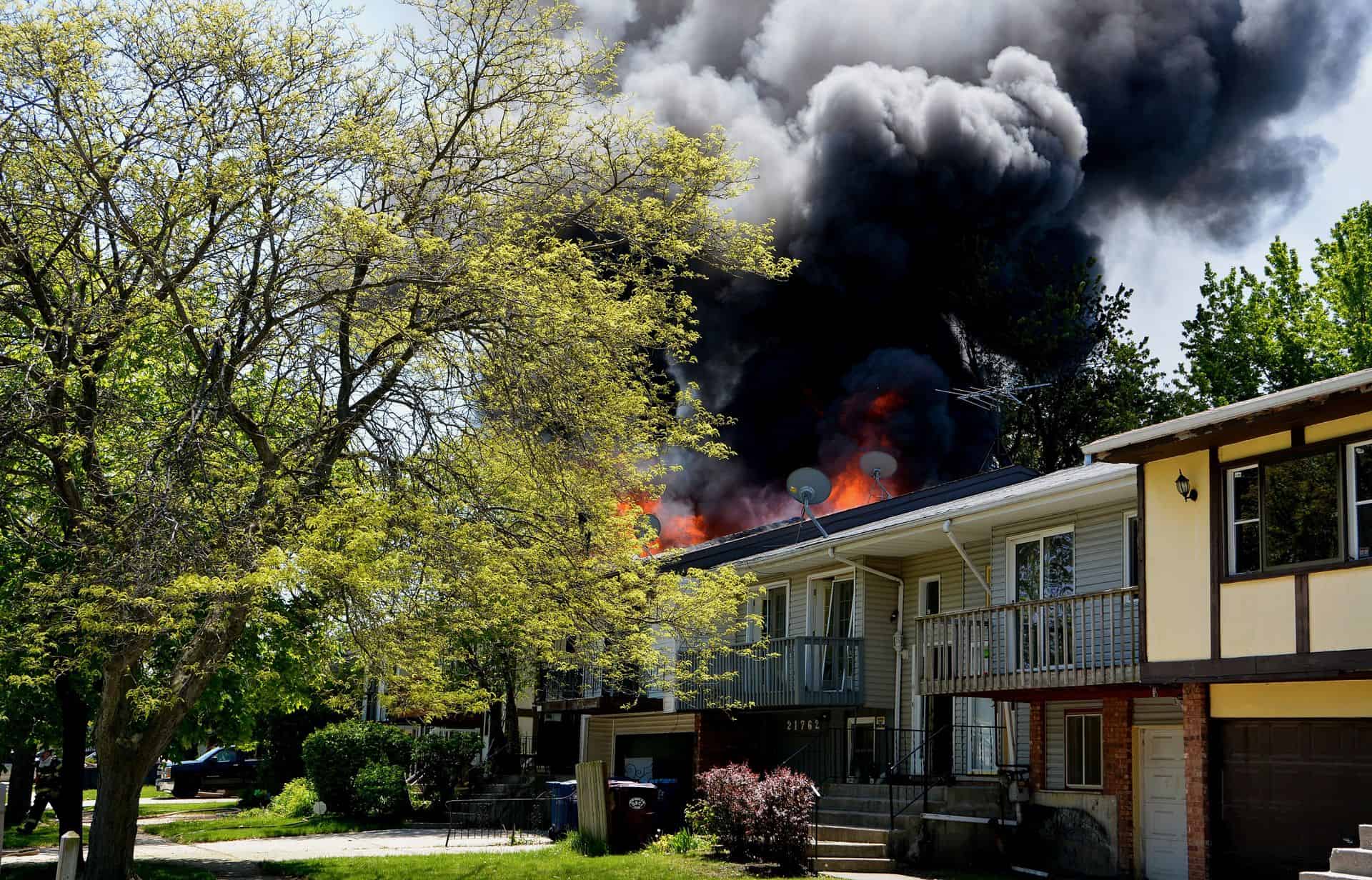
In apartment buildings, condos, senior living communities, and managed properties, delayed packout can create added coordination problems.
Belongings from different units need to stay separated and properly documented. Shared spaces may also become congested if contents are staged in hallways, storage rooms, or common areas.
A prompt contents packout helps property managers keep units, tenants, and shared spaces organized during recovery.
Storage Planning May Become More Complicated
Storage is often part of the packout process. Items may need to be stored until repairs are complete and the property is ready for packback.
If storage planning is delayed, belongings may be left in temporary locations without a clear system. This can create confusion about where items are and what condition they were in at each stage.
Professional contents packout services connect storage to inventory records, cleaning needs, and final return planning.
Packback Can Be Harder Without Early Organization
Packback is the organized return of belongings after restoration work is complete. This stage depends heavily on the quality of the original inventory and packout documentation.
If the early process was delayed or disorganized, returning items to their proper rooms can become more difficult. Boxes may lack clear labels, placement records may be incomplete, and item status may be harder to confirm.
A structured packout helps make packback smoother because each item stays connected to its original location and handling record.
How a Detailed Packout Helps Reduce These Issues
A detailed packout creates structure at the beginning of the recovery process. Items are documented, categorized, packed, removed, and tracked through a defined system.
Blue Kangaroo Packoutz provides detailed contents packout services that help organize belongings after a disaster and support the larger restoration timeline.
This process helps contractors access damaged areas, gives property owners clearer information, and supports more organized communication with insurance professionals.
Local Response Can Make a Difference
After a disaster, local coordination can help move the contents process forward. A nearby team can assess the property, begin documentation, and coordinate packout planning with the broader restoration schedule.
Local support also helps with communication during storage, cleaning, and packback. Property owners and project partners have a clearer point of contact throughout the process.
Moving Forward After a Property Disaster
Delaying a contents packout can affect belongings, documentation, restoration access, claim communication, and the overall recovery timeline. The longer contents stay inside an affected property, the more complicated the process can become.
At Blue Kangaroo Packoutz, we support property owners, insurance professionals, property managers, and restoration partners through structured contents restoration services. If you need help after a loss, enter your zip code to find a location near you and connect with a team ready to support your recovery.