Water damage and fire damage can both affect belongings after a property loss, but the cleaning process is not the same. Each type of damage creates different concerns for furniture, clothing, documents, electronics, décor, and other personal items.
Cleaning water damage often focuses on moisture exposure, staining, material stability, and drying needs. Cleaning fire damage often focuses on soot, smoke residue, odor, heat exposure, and surface contamination from debris.
At Blue Kangaroo Packoutz, contents restoration is our specialty. We care about what we carry, and that commitment guides how we assess, document, clean, store, and return belongings after water or fire damage.
Why the Damage Source Matters
The first step in contents cleaning is understanding what caused the damage. Water and fire affect belongings in different ways, so the cleaning plan must match the source of the loss.
Water can soak into porous materials, weaken boxes, affect wood, stain fabrics, and damage paper goods. Fire can leave soot, smoke odor, discoloration, heat marks, and residue across surfaces far from the flame source.
A contents cleaning team reviews the damage source before deciding how items should be handled, packed, cleaned, stored, or referred for specialty care.
Cleaning Water Damage
Cleaning water damage begins with assessing moisture exposure. Some items may be wet from a burst pipe, roof leak, appliance leak, storm event, or flood-related water intrusion.
The team looks at material type, exposure time, visible staining, item condition, and whether the item can be handled without causing more damage. Upholstered furniture, rugs, documents, photographs, books, and wood pieces may need closer review.
The goal is to move belongings into an organized process for documentation, drying coordination, cleaning, storage, or further evaluation.
Cleaning Fire Damage
Cleaning fire damage involves a different set of concerns. Fire losses may leave soot, smoke residue, odor, debris, and heat-related damage on belongings.
Smoke can move through rooms and affect items that were not touched by flames. Soot can settle into grooves, fabric, drawers, cabinets, electronics, artwork, and household goods.
Because fire damage can involve several types of residue, contents cleaning specialists evaluate each item before choosing a cleaning method. A dish, wooden table, upholstered chair, and framed photo may each need a different plan.
How Water Affects Different Materials
Water damage can affect materials quickly. Paper can soften, warp, or stick together. Wood may swell, stain, or develop finish damage. Fabric can hold moisture and odor. Cardboard boxes can weaken and lose structure.
Electronics exposed to water need careful handling and should not be powered on before evaluation. Photographs and documents may need prompt attention because moisture can affect them fast.
A structured assessment helps sort items by material, condition, and cleaning needs so the contents process stays organized.
How Fire Affects Different Materials
Fire and smoke can affect belongings in layers. Soot may sit on the surface, smoke odor may absorb into porous materials, and heat can affect finishes, plastics, glass, metals, and frames.
Soft goods such as clothing, curtains, bedding, and upholstery may hold odor. Hard surfaces may need residue removal. Delicate items such as artwork, antiques, documents, and photographs may need specialty review.
The contents team considers soot type, odor level, material sensitivity, and item condition before selecting a cleaning method.
Why Documentation Comes Before Cleaning
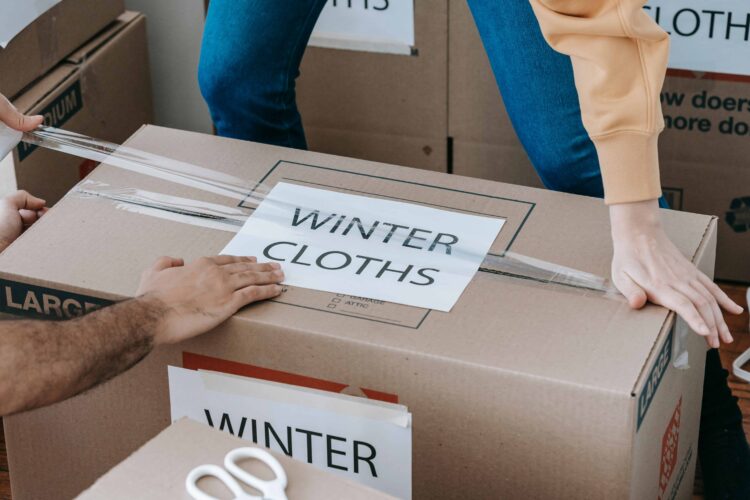
Before cleaning begins, belongings need to be documented. Items are photographed, inventoried, labeled, and connected to their original rooms or areas.
This matters for both water and fire losses. Documentation helps property owners, insurance professionals, contractors, and contents teams understand what was affected and how each item is being handled.
A professional cleaning workflow for customer belongings shows how assessment, inventory, cleaning, storage, and packback work together after a loss.
Packout Needs After Water Damage
A packout may be needed after water damage when belongings are wet, blocking access, or located in areas where drying and repairs need to begin. Removing items from affected spaces gives contractors clearer access to floors, walls, cabinets, and ceilings.
Packout also helps keep contents connected to inventory records. Items can be grouped by room, condition, or cleaning needs.
This helps reduce confusion as drying, repair, storage, and contents cleaning move forward.
Packout Needs After Fire Damage
A fire-related packout may be needed when soot, smoke, odor, or debris affect belongings across the property. Items may need to be removed for cleaning, deodorization, storage, or further evaluation.
Fire losses can also require structural restoration, which means contractors need access to affected areas. Removing contents helps separate structural work from contents care.
This creates a more organized process for cleaning fire damage and coordinating the return of belongings later.
Cleaning Methods May Differ
Water-damaged belongings may need drying support, surface cleaning, stain review, material evaluation, or specialty handling. Fire-damaged belongings may need soot removal, residue cleaning, deodorization, or detailed surface cleaning.
Some items may be candidates for contents restoration, and others may require further review based on damage level, material, and condition.
Blue Kangaroo Packoutz provides contents cleaning support using a process built around item assessment and careful documentation.
Why Odor Is More Common After Fire Damage
Odor can happen after both water and fire losses, but smoke odor is often one of the biggest issues after fire damage. Smoke particles can settle into soft goods, unfinished wood, paper, boxes, and textured surfaces.
Basic surface wiping may not address odor if residue is trapped in seams, cushions, drawers, or fibers. This is why fire-related contents cleaning often includes deodorization planning.
Water losses may also create odor concerns, especially when items sit in damp conditions for too long. The cleaning plan depends on exposure, material, and condition.
Storage During Water and Fire Recovery
Storage often plays a role during both water and fire recovery. Belongings may need to be stored until repairs are complete and the property is ready for packback.
For water damage, storage planning may depend on drying needs and item condition. For fire damage, storage planning may separate items by soot exposure, odor level, cleaning status, or specialty review needs.
Organized storage keeps belongings tied to inventory records throughout the full contents restoration process.
How Packback Completes the Process
Packback is the organized return of belongings after cleaning, storage, and property repairs are complete. The quality of the original inventory affects how smooth this stage feels.
Room records, labels, photos, and item notes help guide where belongings should return. This is important whether the loss involved water damage, fire damage, or both.
A documented process helps make packback easier for property owners and project partners.
Local Help After Water or Fire Damage
Water and fire losses can feel overwhelming because so many decisions need to happen quickly. Local contents support can help with assessment, documentation, packout, cleaning coordination, storage, and packback.
Blue Kangaroo Packoutz serves property owners, insurance professionals, contractors, and property managers through a network of service areas.
You can connect with a nearby Blue Kangaroo Packoutz team by entering your zip code and finding support in your area.
Moving Forward With Contents Cleaning
Cleaning water damage and cleaning fire damage require different approaches because each loss affects belongings in different ways. Water can create moisture, staining, and material concerns. Fire can create soot, smoke odor, residue, and heat-related damage.
At Blue Kangaroo Packoutz, we support belongings through assessment, inventory, packout, contents cleaning, storage, and packback coordination. If your home or business has been affected by water or fire damage, enter your zip code to find a location near you and connect with a team ready to support your recovery.