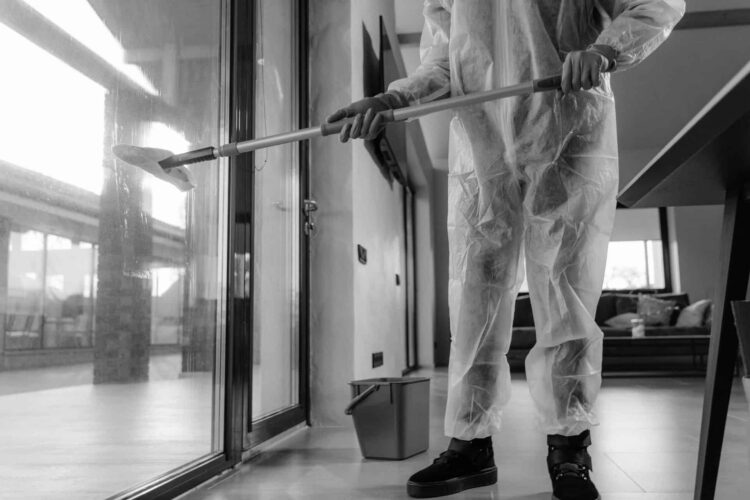
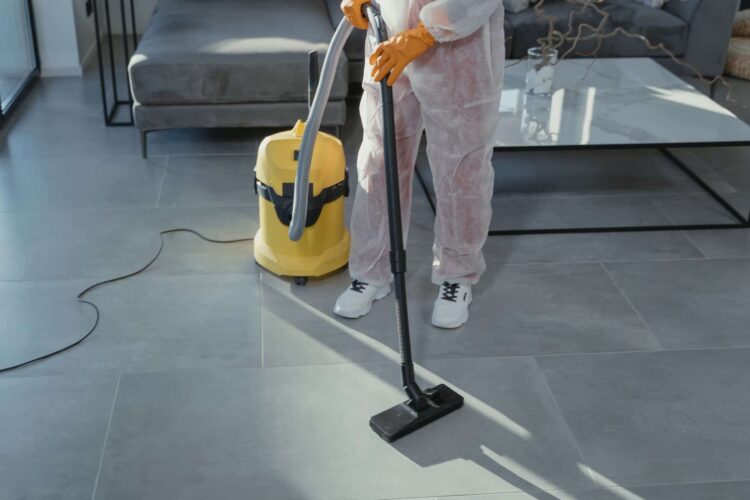
After a fire, water loss, storm, or other property damage event, belongings may need to be removed from the property before restoration work can begin. During that process, property owners want to know that their items are being handled with care, organization, and respect.
That is where white glove treatment matters. During a contents packout, it means more than careful lifting or cleanly packing materials. It means a structured approach to handling belongings from the first walkthrough through final return.
At Blue Kangaroo Packoutz, contents restoration is our specialty. We care about what we carry, and that commitment guides how we document, pack, transport, store, clean, and return belongings after a loss.
What Is White Glove Treatment?
White glove treatment means a higher level of care, attention, and professionalism during the packout process. It reflects how belongings are assessed, documented, packed, moved, stored, and returned.
In a contents packout, this approach is especially important because items may already be affected by water, smoke, soot, debris, or structural damage. Careful handling helps reduce unnecessary movement and keeps belongings organized.
White glove treatment also means property owners are not left guessing what happens next. The process follows clear steps and documented records.
Why White Glove Treatment Matters After Property Damage
After a disaster, belongings may carry personal, financial, or sentimental value. Furniture, photographs, artwork, electronics, documents, clothing, collectibles, and everyday household items all deserve thoughtful handling.
A packout is not the same as a standard move. Items may need assessment, cleaning, storage, claim documentation, or specialty review before they can return to the property.
A detailed look at what to expect during the packout process helps explain how careful handling and tracking support recovery after a loss.
Careful Assessment Comes First
White glove treatment begins before any item is packed. The contents team reviews the property, affected rooms, item condition, and access needs.
This assessment helps determine how belongings should be handled. Fragile items, large furniture, electronics, artwork, documents, and upholstered pieces may each require a different plan.
By assessing items first, the team can choose the right packing method, storage approach, and next step for each category.
Detailed Inventory and Documentation
Inventory is a major part of white glove treatment. Before belongings leave the property, items are documented by room, category, condition, and location.
Photographs, labels, notes, and tracking records help connect each item to its original place in the property. This documentation supports communication with property owners, contractors, property managers, and insurance professionals.
A structured inventory also helps guide packback once the property is ready for contents to return.
Secure Packing for Different Item Types
White glove treatment includes choosing packing materials based on the item, not using the same approach for everything. Dishes, electronics, artwork, documents, furniture, décor, clothing, and keepsakes all have different handling needs.
Packing paper, boxes, specialty containers, moving blankets, protective covers, labels, and padding may be used based on item condition and project scope.
A detailed contents packout helps belongings move through removal, transport, storage, and return with a documented plan.
Handling Fragile and Valuable Belongings
Some items need extra care because of fragility, material, age, or personal value. These may include framed photos, antiques, artwork, glassware, collectibles, heirlooms, and delicate décor.
White glove treatment means these items are identified early and handled with added attention. They may need specialty packing, separate labeling, or careful staging before transport.
The goal is to keep fragile and valuable belongings organized and properly documented throughout the process.
Protecting Large Furniture During Packout
Large furniture also requires careful planning. Sofas, tables, beds, desks, cabinets, dressers, and sectionals may be heavy, awkwardly shaped, or difficult to move through damaged spaces.
White glove treatment includes reviewing the removal path, documenting item condition, protecting surfaces, and coordinating movement with the larger restoration timeline.
Furniture may be wrapped, covered, padded, or disassembled when appropriate. Each decision is based on item construction, condition, and project needs.
Organized Transport and Storage
Once items are packed, white glove treatment continues through transport and storage. Belongings are not simply moved out of the property and forgotten.
Items stay connected to inventory records so their location and status can be tracked. Storage planning may be organized by room, category, condition, or claim needs.
This level of organization helps property owners understand where items are and supports a smoother return when repairs are complete.
Communication Throughout the Packout
White glove treatment also includes clear communication. Property owners, insurance professionals, contractors, and property managers may all need updates during the process.
A structured contents team can explain what has been packed, what has been moved, what may need cleaning, and what will happen next.
This communication helps reduce confusion during a stressful time and gives everyone a clearer view of the contents timeline.
How White Glove Treatment Supports Cleaning and Restoration
Some belongings may need contents cleaning or restoration after packout. White glove treatment helps support this step by keeping items properly documented before they move into cleaning workflows.
Item condition, material type, damage exposure, and handling notes can all help guide the next phase. Some belongings may need general cleaning, and others may need specialty review.
The process works best when assessment, inventory, cleaning, storage, and packback are connected.
Packback With the Same Level of Care
Packback is the return of belongings after restoration work is complete. White glove treatment does not stop once items leave the property. It continues through final placement.
Inventory records, labels, and room documentation help guide where items should go. Furniture, boxes, and personal belongings are returned in an organized way based on the original packout records.
This helps property owners transition back into the home or business with less confusion.
Local Support for White Glove Contents Packout
Property losses often require prompt, organized support. Working with a local contents team helps with assessment, scheduling, packout, storage, cleaning coordination, and packback.
Blue Kangaroo Packoutz serves homeowners, business owners, insurance professionals, contractors, and property managers through a network of service areas.
You can find local Blue Kangaroo Packoutz support by entering your zip code and connecting with a team near you.
Moving Forward With White Glove Treatment
White glove treatment during a contents packout means careful handling, organized documentation, secure packing, clear communication, and thoughtful return. It gives belongings a structured path through a difficult recovery process.
At Blue Kangaroo Packoutz, we support contents packout with professionalism, care, and detailed coordination from start to finish. If you need help after property damage, enter your zip code to find a location near you and connect with a team ready to support your recovery.