After a fire, water loss, storm, or other property damage event, belongings may be affected by soot, dust, debris, ash, residue, and fine particles. These materials can settle on furniture, décor, books, clothing, electronics, and household items.
HEPA vacuuming is one method contents restoration teams may use during the cleaning process. It helps remove fine surface particles from certain belongings before additional cleaning steps begin.
At Blue Kangaroo Packoutz, contents restoration is our specialty. We care about what we carry, and that commitment guides how we assess, document, clean, store, and return belongings after a loss.
What Is HEPA Vacuuming?
HEPA vacuuming uses a vacuum with a high-efficiency particulate air filter. This type of filter is designed to capture very small particles that ordinary vacuums may release back into the surrounding area.
During contents restoration, HEPA vacuuming may be used on certain affected belongings before deeper cleaning begins. It can help remove loose soot, dust, ash, and debris from item surfaces.
The process must be matched to the item. A sturdy hard-surface item may be handled differently than fabric, paper, electronics, artwork, or fragile décor.
Why HEPA Vacuuming Matters After Property Damage
Property damage can leave fine particles across a wide range of belongings. After a fire, soot and ash may settle into small grooves, fabric surfaces, and textured materials. After water or storm damage, dust and debris may collect on contents during cleanup and repair work.
HEPA vacuuming helps reduce loose particles before items move into the next stage of contents cleaning. This can make later cleaning steps more organized and effective.
It also supports better handling because items are treated through a structured process rather than wiped or packed without review.
HEPA Vacuuming Is Part of a Larger Cleaning Process
HEPA vacuuming is not a complete contents restoration solution by itself. It is one tool within a larger process that may include assessment, documentation, packing, cleaning, deodorization, storage, and packback.
A professional contents team decides when HEPA vacuuming is appropriate based on material type, item condition, and damage exposure.
A structured contents cleaning workflow helps connect each cleaning step to inventory records and project coordination.
Assessment Comes Before Vacuuming
Before HEPA vacuuming begins, the contents team reviews the item and the type of damage involved. The goal is to choose the right handling method for each item.
Some materials can tolerate surface vacuuming. Others may be too delicate, damp, unstable, or residue-heavy for this step at that stage.
Assessment helps determine whether the item should be vacuumed, packed for later review, cleaned another way, or referred for specialty handling.
How HEPA Vacuuming Helps With Soot and Ash
Soot and ash can be difficult to manage after fire damage. They can cling to surfaces and settle into seams, joints, carvings, fabric textures, and small openings.
HEPA vacuuming can help remove loose particles before more detailed cleaning takes place. This reduces surface buildup and helps prepare the item for the next step.
The contents team must use care because aggressive movement can push residue deeper into some materials. Proper technique matters.
How HEPA Vacuuming Supports Water and Storm Recovery
HEPA vacuuming may also be useful after water or storm damage. Storm debris, dust, insulation particles, drywall dust, and dirt can affect belongings during property cleanup and repairs.
In these cases, HEPA vacuuming may help remove loose dry particles from appropriate items before packing, cleaning, or storage.
Items affected by moisture need careful review first. Damp belongings may require a different approach before vacuuming is considered.
Items That May Be Candidates for HEPA Vacuuming
HEPA vacuuming may be used on certain furniture, hard surface belongings, décor, shelving, tools, books, boxes, and household goods. The right fit depends on the item’s condition and material.
Upholstered furniture may need careful surface attention before deeper cleaning. Wood furniture may require review for finish damage, moisture exposure, or soot buildup.
Documents, artwork, photographs, electronics, and antiques may need specialty evaluation before any cleaning method is selected.
Why Documentation Still Comes First
Documentation is an important part of contents restoration. Before items move through cleaning, they are often photographed, inventoried, labeled, and connected to their original room or area.
This record helps property owners, insurance professionals, and restoration partners understand what was affected and how each item is being handled.
When HEPA vacuuming is part of the cleaning plan, documentation helps track the item’s status from assessment through storage or return.
HEPA Vacuuming and Contents Cleaning Services
HEPA vacuuming may be one step within broader contents cleaning services. Some belongings need dry particle removal first. Others may need surface cleaning, deodorization, ultrasonic cleaning, specialty care, or storage planning.
Blue Kangaroo Packoutz provides contents cleaning through a process built around item assessment and documented handling.
This approach helps each item move through the proper sequence based on material, condition, and project needs.
Why Technique Matters
HEPA vacuuming is not simply running a vacuum over an item. Contents restoration teams consider suction level, attachment type, surface sensitivity, particle type, and item condition.
Delicate items may need a controlled approach. Textured surfaces may require more detailed attention. Large furniture may need different handling than small hard-surface items.
Using the right technique helps reduce unnecessary friction and supports better item care during the cleaning process.
How HEPA Vacuuming Supports Packout
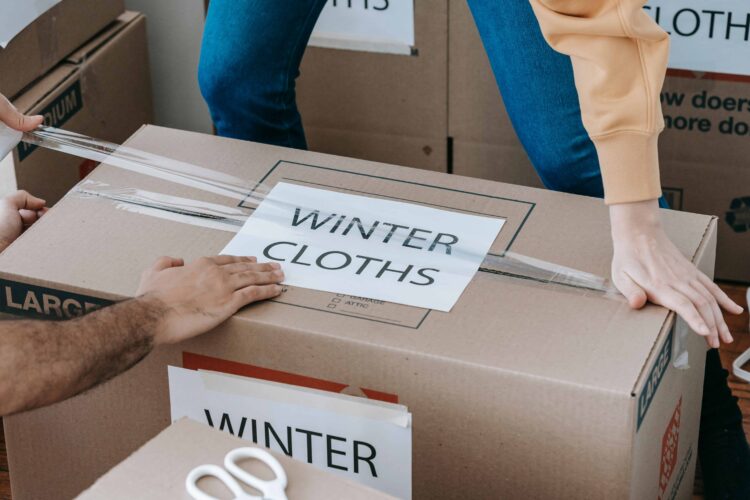
During a contents packout, belongings are removed, documented, packed, transported, stored, and later returned. HEPA vacuuming may support this process when loose particles need to be addressed before items move forward.
Some items may be vacuumed before packing. Others may be packed first and cleaned later in a more controlled setting.
The timing depends on the property conditions, item condition, and the larger restoration plan.
Storage After HEPA Vacuuming
After HEPA vacuuming and other cleaning steps, belongings may need storage until the property is ready for packback. Storage keeps items organized and separated from active restoration areas.
Inventory records guide where items are stored and how they will return. This helps maintain order during longer projects.
Storage works best when cleaning status, room origin, and item condition are all tracked together.
Packback After Contents Cleaning
Packback is the organized return of belongings after restoration work is complete. HEPA vacuuming may be one of several cleaning steps that happen before this final stage.
Labels, room records, and inventory notes help guide where items should go. This helps property owners transition back into the home or business with less confusion.
A strong cleaning and documentation process makes packback easier to manage.
Local Help With Contents Restoration
After a property loss, local coordination can help move the contents process forward. A nearby team can assess belongings, begin documentation, coordinate cleaning, and plan storage or packback.
Blue Kangaroo Packoutz serves property owners, insurance professionals, contractors, and property managers through a network of service areas.
You can connect with a nearby Blue Kangaroo Packoutz team by entering your zip code and finding support in your area.
Moving Forward With HEPA Vacuuming
HEPA vacuuming is an important part of contents restoration because it helps remove loose fine particles from appropriate belongings after property damage. It can support cleaning after fire, water, storm, smoke, dust, or debris exposure when used as part of a larger plan.
At Blue Kangaroo Packoutz, we use assessment, documentation, contents cleaning, storage, and packback coordination to support belongings after a loss. If you need help after damage to a home or business, enter your zip code to find a location near you and connect with a team ready to support your recovery.