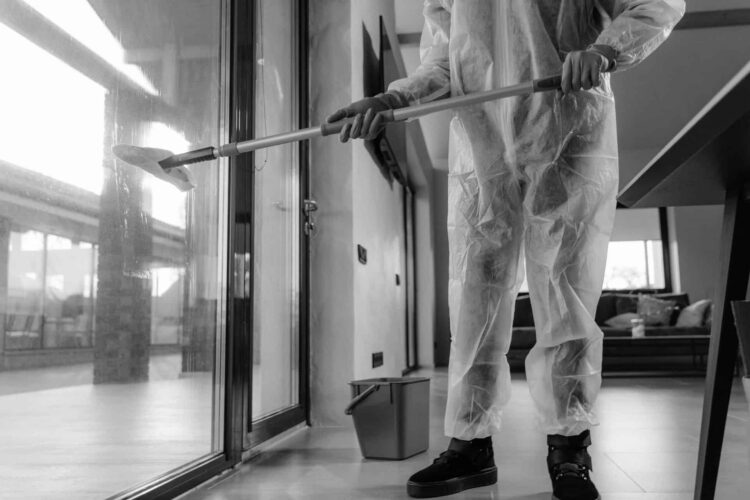
Storm damage can leave a property owner facing several urgent decisions at once. Wind, rain, fallen trees, roof damage, flooding, and broken windows can all affect the structure and the belongings inside.
Once the immediate danger has passed, the recovery process needs organization. You may need to contact your insurance carrier, arrange storm damage cleanup, document affected belongings, and coordinate restoration work.
At Blue Kangaroo Packoutz, contents restoration is our specialty. We care about what we carry, and that commitment guides how we help protect, document, clean, store, and return belongings after storm damage.
Start With Personal Safety
After storm damage, your first priority should be personal safety. Do not enter the property if there are downed power lines, standing water, unstable ceilings, broken glass, or visible structural concerns.
Wait for emergency responders, utility providers, or qualified professionals to confirm that the property can be accessed. A damaged roof, flooded room, or collapsed ceiling can create risks that are not easy to see from outside.
Once the property can be approached, limit unnecessary movement through affected areas. This helps protect you and can also reduce disturbance to damaged belongings before documentation begins.
Contact Your Insurance Carrier
Contact your insurance carrier as soon as practical after the storm. Your carrier can explain next steps, claim reporting requirements, and any documentation needed for storm damage restoration.
Be ready to describe what happened, when the damage occurred, and which areas of the property were affected. Photos and notes can help support the first claim report.
If belongings were affected, tell your adjuster. Contents damage may need to be handled separately from structural repairs, and early communication can help keep the claim organized.
Document the Damage Before Cleanup
Before storm damage cleanup begins, document the property and belongings as thoroughly as you can from safe areas. Take photos and videos of rooms, furniture, flooring, ceilings, windows, contents, and visible water intrusion.
Do not throw away damaged belongings before speaking with your insurance professional, unless an item creates an immediate safety issue or you are instructed to do so.
Clear documentation helps support communication with adjusters, contractors, and contents restoration teams. It also provides a record of property conditions before cleanup and repairs begin.
Protect the Property From Added Damage
After documentation, temporary protection may be needed to reduce added damage. This may include emergency board-up, roof tarping, water extraction, or other mitigation steps performed by qualified professionals.
Storm damage can worsen if openings are left exposed. Rain can enter through damaged roofing, siding, doors, or windows and affect belongings inside the property.
Contents inside affected rooms may need to be moved, documented, packed out, cleaned, or stored depending on the scope of damage.
Identify Belongings That May Be Affected
Storm damage often affects more than the structure. Belongings can be exposed to water, mud, debris, broken glass, humidity, and changing indoor conditions.
Furniture, clothing, electronics, documents, photographs, rugs, artwork, books, and keepsakes may all need review. Some items may appear only slightly affected at first but still need professional assessment.
A contents restoration team can help identify which belongings should be documented, moved, cleaned, stored, or set aside for further evaluation.
Understand When a Contents Packout Is Needed
A contents packout may be needed when belongings block access to damaged areas or when items need to be removed for cleaning, storage, or documentation.
Packout creates a structured process for removing belongings from the property. Items are inventoried, photographed, packed, transported, and tracked so they stay connected to their original rooms and claim records.
Storm damage can create fast-changing conditions inside a property. A structured packout helps maintain organization during the early recovery process.
How Packout Supports Storm Damage Restoration
Restoration following a storm often requires access to floors, walls, ceilings, cabinets, insulation, and mechanical areas. Belongings can make this work harder when they stay inside affected rooms.
A contents packout gives contractors clearer access to perform mitigation and repairs. This separation helps structural work move forward without repeated handling of furniture and personal items.
Blue Kangaroo Packoutz provides storm damage contents restoration support through streamlined packout solutions that help organize belongings during insurance claims.
Why Inventory Tracking Matters
Inventory tracking is one of the most important parts of contents restoration after storm damage. Each item is connected to its room, condition, photos, and handling status.
This record helps property owners understand where belongings are and what steps are planned. It also supports communication with insurance professionals during the claim.
Strong inventory tracking reduces confusion during storage, cleaning, and packback. Without documentation, it can be harder to know what was removed, where it went, and how it should return.
Cleaning Belongings After Storm Damage
Storm damage cleanup may involve more than removing debris from the property. Belongings may need contents cleaning if they were exposed to water, dirt, residue, or storm-related debris.
Different materials require different handling. Upholstery, wood, electronics, paper, photos, clothing, and hard-surface items may each need a different assessment and cleaning approach.
The goal is to evaluate belongings carefully and use the appropriate process based on material, condition, and exposure.
Storage During Repairs
Storage is often needed when the property is not ready to receive belongings. After packout, items may be stored until mitigation, repairs, and final cleaning are complete.
Organized storage keeps belongings separated from active work areas. This helps contractors complete restoration without needing to move contents repeatedly.
Inventory records guide storage so items can be located, reviewed, cleaned, or returned when needed.
Coordinate With Restoration Contractors
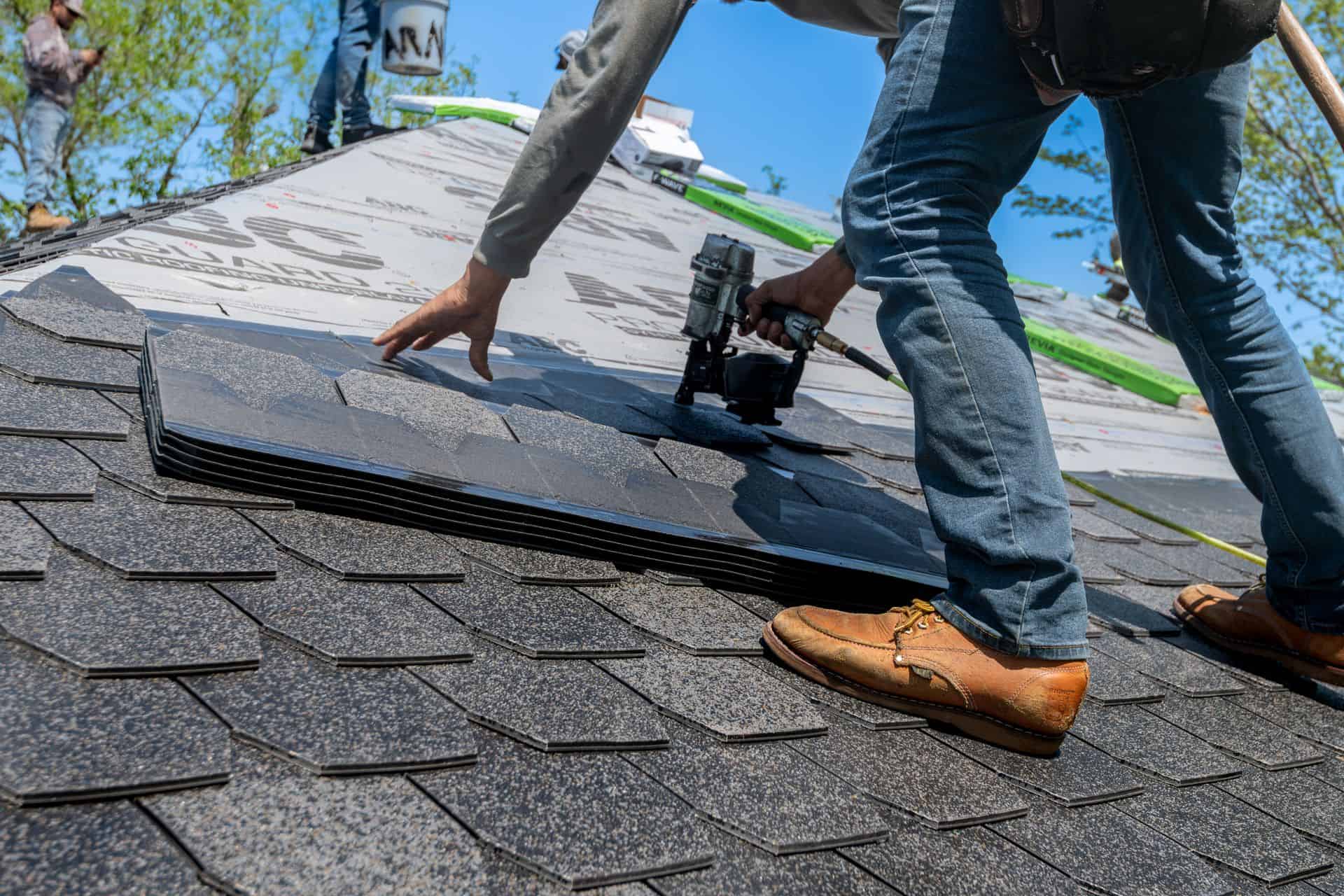
Storm recovery usually involves multiple professionals. You may work with adjusters, mitigation teams, roofers, contractors, contents restoration teams, and property managers.
Coordination matters because each part of the project affects the next. Contractors may need rooms cleared before repairs. Contents teams may need access before items are moved. Adjusters may need documentation before decisions are made.
A structured process helps each team understand responsibilities and timing. Blue Kangaroo Packoutz follows a proven contents restoration process designed to support organized recovery from assessment through packback.
Avoid Rushing Decisions About Belongings
After storm damage, it can be tempting to make quick decisions about what to keep, clean, or discard. Some items may need immediate attention, but rushed decisions can create problems later.
Belongings with sentimental value, specialty materials, documents, photographs, antiques, or electronics may need closer review. A contents restoration team can help assess item condition and determine the next step.
Good documentation also helps you avoid losing track of belongings during cleanup and repair work.
Watch for Hidden Contents Damage
Storm damage is not always obvious. Water may enter through a roof, window, wall opening, or foundation and affect contents in closets, cabinets, boxes, or storage rooms.
Items stored near floors, exterior walls, windows, or attic spaces may be affected without drawing attention right away. Odors, staining, warping, dampness, residue, or packaging damage may appear after the first walkthrough.
A detailed contents assessment helps identify affected belongings before they are overlooked during structural repairs.
Plan for Packback Early
Packback is the organized return of belongings after repairs are complete. Planning for packback begins long before the final stage.
Inventory records, room labels, photos, and storage organization all help guide the return process. When items are documented properly at the beginning, the final return becomes easier to manage.
Packback helps restore order after the property is ready, bringing belongings back based on the original room records and project needs.
Local Support After Storm Damage
Storm damage can affect entire neighborhoods, which can make scheduling and coordination more difficult. Local support helps property owners begin the contents process with a team familiar with the area.
Blue Kangaroo Packoutz serves property owners, insurance professionals, contractors, and property managers through a network of service areas.
Moving Forward After Storm Damage
Storm damage can create stress, confusion, and disruption, but a structured recovery process helps bring order to the situation. Start with safety, contact your insurance carrier, document the damage, and coordinate professional support before cleanup and repairs move too far ahead.
At Blue Kangaroo Packoutz, we help property owners manage the contents side of storm damage recovery through assessment, inventory, packout, cleaning coordination, storage, and packback. If your property has suffered storm damage, enter your zip code to find a location near you and connect with a team ready to support your recovery.