After a fire, water loss, smoke event, storm, or other property disaster, one of the first questions is what can be saved. Furniture, electronics, documents, artwork, clothing, antiques, and everyday belongings may all be affected in different ways. Some items may be candidates for cleaning or restoration, while others may be too damaged for practical recovery.
A contents packout company helps bring structure to that decision-making process. Instead of guessing based on appearance alone, trained contents professionals evaluate item condition, material type, damage exposure, and restoration potential.
At Blue Kangaroo Packoutz, contents restoration is our specialty. We care about what we carry, and that commitment guides how we assess, document, handle, and coordinate belongings after a loss.
What Salvageability Means During a Packout
Salvageability refers to whether an item can reasonably move through cleaning, restoration, or recovery efforts based on its condition and the type of damage involved. This does not mean every item can be restored. It means the item is assessed to determine the most appropriate next step.
A packout company looks at the item, the surrounding damage, and the claim context. The goal is to support clear decisions, organized documentation, and practical recovery planning.
This assessment helps property owners, insurance professionals, and restoration partners understand which belongings may be handled through contents restoration services and which items may need further review.
Why the Initial Assessment Matters
The first assessment sets the foundation for the entire contents process. During this phase, the contents team reviews affected areas, documents visible damage, and identifies items that may need special handling.
A structured initial contents assessment helps create early clarity after a property loss. It gives the team a better understanding of the damage source, affected rooms, item categories, and access needs.
This early review also helps determine how items should be inventoried, packed, cleaned, stored, or referred for specialty handling.
Damage Type Plays a Major Role
Different types of damage affect belongings in different ways. Water damage may impact wood, fabric, paper, electronics, and porous materials. Smoke can leave residue and odor on furniture, artwork, clothing, and household goods. Fire can cause heat damage, charring, staining, and structural weakness.
A packout company evaluates the type of exposure before deciding how an item should be handled. Two items in the same room may have very different outcomes based on material, distance from the damage source, and exposure length.
This is why salvageability is not based only on whether an item looks damaged at first glance.
Material Type Affects Restoration Potential
Material type is one of the most important factors in determining salvageability. Hard, nonporous surfaces may respond differently than fabric, paper, particleboard, or upholstered pieces.
Wood furniture, metal items, framed art, photographs, rugs, electronics, books, and documents all require different evaluation methods. Some materials absorb moisture, odor, or residue more deeply than others.
A contents packout company considers how each material reacts to the loss conditions. This helps determine whether cleaning, deodorization, refinishing, drying, or specialty restoration may be appropriate.
Condition Before the Loss
Pre-loss condition also matters. An item that was sturdy and well maintained before the event may have more restoration potential than an item that already had structural weakness, wear, corrosion, cracking, or prior damage.
During assessment, the contents team looks for signs of old damage and new damage. This distinction helps support more accurate documentation.
For insurance professionals, this can be important because claim decisions often depend on understanding how the event affected each item.
Safety and Handling Considerations
Some items may require special handling before they can be assessed more closely. Fragile items, sharp debris, unstable furniture, damaged electronics, and heavily affected belongings may need to be moved with added care.
The goal is not to rush the process. The goal is to handle belongings in a way that supports proper documentation and organized next steps.
A packout company evaluates whether items can be safely handled, packed, transported, or stored based on condition and project needs.
Documentation Comes Before Decisions
A salvageability assessment depends on clear documentation. Before items are removed, they are typically photographed, inventoried, and connected to their original room or area.
This record supports the full contents workflow. It also gives insurance professionals and property owners a clear point of reference during claim review.
A documented packout process for customer belongings helps show how inventory, handling, and coordination work together after a loss.
Item Category Guides the Assessment
Different item categories require different review methods. A wooden table is not assessed the same way as a framed photograph, upholstered chair, computer, or box of documents.
Furniture may be reviewed for swelling, staining, finish damage, odor, and structural stability. Electronics may need evaluation before power is restored. Documents and photographs may require prompt handling to support recovery potential.
By grouping items by category, a contents packout company can create a more organized assessment and restoration plan.
Moisture Exposure and Time
Moisture exposure can change quickly. The longer certain materials stay wet, the more difficult recovery may become. Paper, fabric, wood, and upholstered contents are especially sensitive to moisture duration.
A contents team considers how long items may have been exposed, how deeply moisture has penetrated, and whether items can be moved into a more controlled process.
Prompt packout and documentation can support better organization and may help preserve more restoration options.
Smoke, Soot, and Odor Impact
Smoke and soot damage can affect items beyond the area where fire was visible. Residue can settle on surfaces, enter fabrics, and affect enclosed spaces.
A packout company evaluates soot type, surface residue, odor impact, and material sensitivity. This helps determine whether contents cleaning or specialty care may be appropriate.
Some items may require separate handling to avoid cross-contact with less affected belongings. Organized inventory and storage planning help support that separation.
Electronics and Specialty Items
Electronics require careful assessment after fire, water, or smoke exposure. They should not be powered on before review because hidden moisture or residue may create additional damage.
Specialty items may include artwork, antiques, framed pieces, photographs, documents, instruments, collectibles, and family heirlooms. These belongings may need extra documentation and specialty restoration consideration.
Blue Kangaroo Packoutz offers contents restoration services that support a wide range of belongings through a structured process.
Cost, Value, and Practical Recovery
Salvageability is not based only on whether restoration is technically possible. Practical factors also matter, including item value, sentimental importance, condition, damage level, and claim requirements.
Some items may be restorable but may not be practical to restore. Other items may have strong sentimental value, making careful review especially important.
A packout company helps document these factors so property owners and insurance professionals can make informed decisions.
When Items Are Set Aside for Further Review
Not every salvageability decision is made immediately on site. Some belongings may need to be packed, labeled, and set aside for closer evaluation in a controlled environment.
This can happen with electronics, photographs, documents, antiques, artwork, and delicate materials. Moving items into an organized workflow allows the team to inspect them more carefully.
This step supports better documentation and helps reduce rushed decisions during the early stages of recovery.
How Inventory Supports Claim Communication
Inventory records help connect each item to the claim timeline. When an item is assessed, cleaned, stored, or set aside for review, documentation helps track that status.
This supports clearer communication between property owners, adjusters, contractors, and contents teams. It also reduces confusion about where items are and what has happened to them.
For insurance professionals, organized inventory records can help streamline the contents portion of the claim.
Packout Planning After Assessment
Once the salvageability assessment is underway, the packout plan can be organized around item condition and project needs. Items may be grouped for cleaning, storage, specialty review, or claim documentation.
This planning helps the contents team avoid unnecessary handling and keep belongings connected to their original rooms or areas.
A structured plan also helps restoration contractors gain access to affected spaces so mitigation and repairs can move forward.
Storage During the Evaluation Process
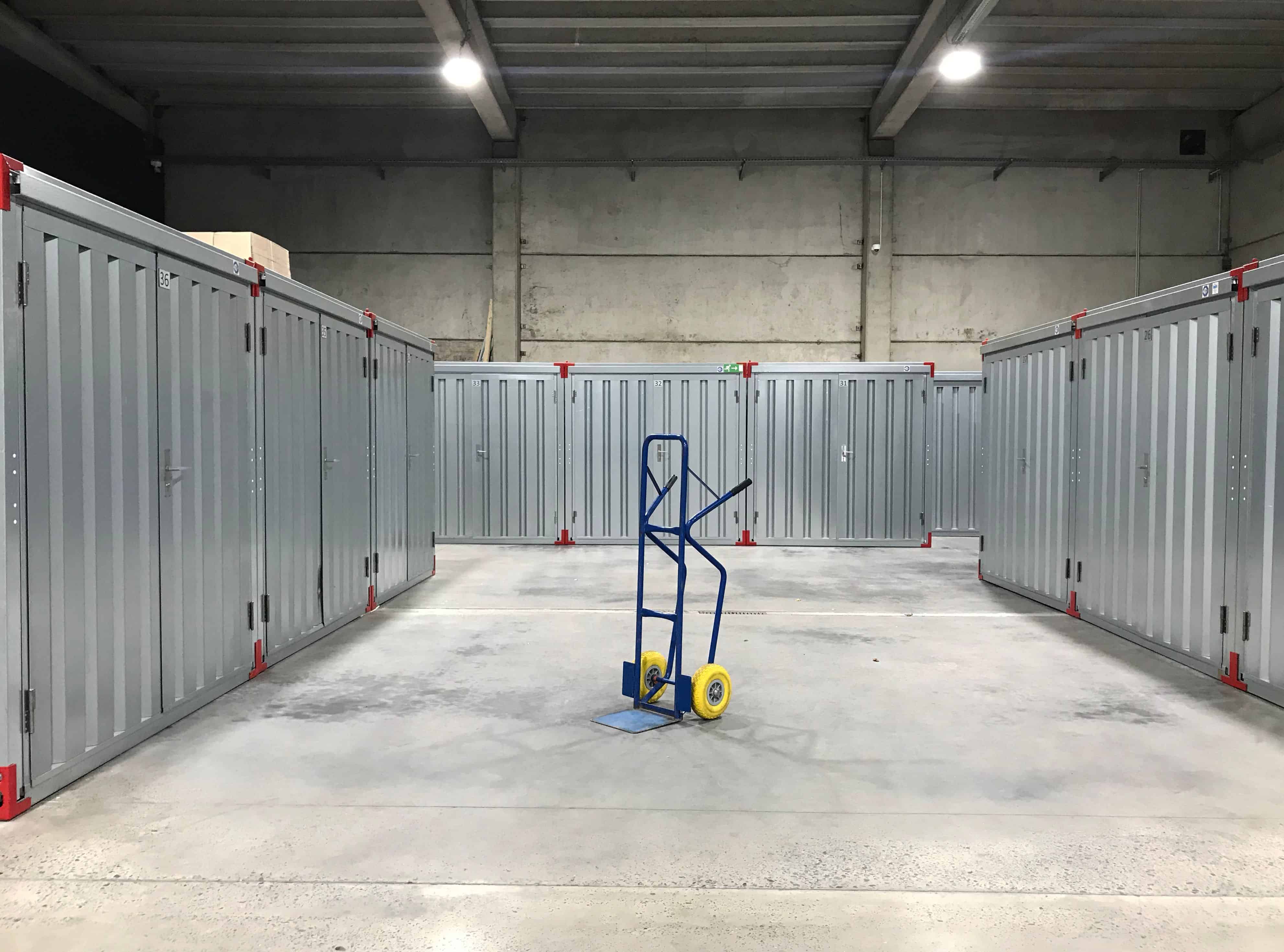
Storage may be needed during assessment, cleaning, restoration, or claim review. Items can be organized by room, category, condition, or handling status.
This helps maintain order during longer restoration projects. It also allows belongings to stay connected to inventory records until packback or final claim decisions are complete.
A contents packout company implements storage coordination into the larger recovery process, rather than treat it as a disconnected step.
Local Support for Contents Assessment
Property losses often require prompt coordination. Local support can help start assessment, documentation, and packout planning more quickly.
Working with a nearby contents team can also make communication easier for property owners, adjusters, and restoration partners.
Moving Forward After Salvageability Decisions
Once items have been assessed, the contents process continues through cleaning, storage, specialty handling, or packback planning. Each step is guided by documentation and coordinated with the broader restoration timeline.
At Blue Kangaroo Packoutz, we help property owners, insurance professionals, and restoration partners evaluate belongings through a structured contents restoration process. If you need support after a property loss, enter your zip code to find a location near you and connect with a team ready to help.