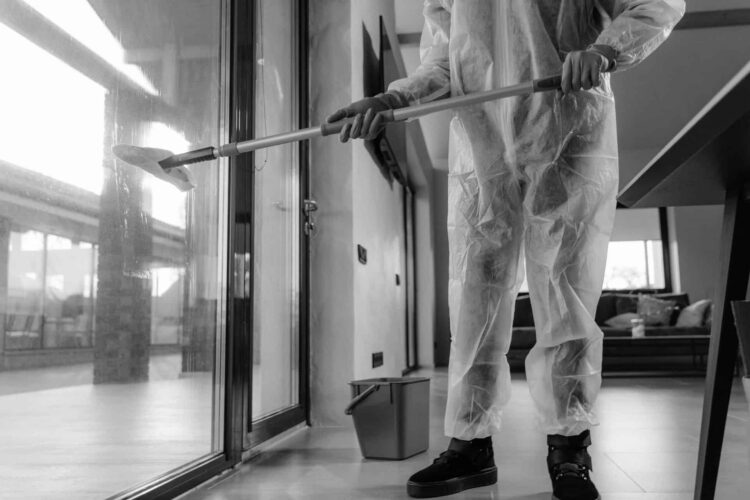
After a fire, water loss, storm, or other property damage event, belongings may need to be removed from the property so restoration work can begin. This process is called a contents packout.
The way items are packed matters. Furniture, electronics, documents, artwork, clothing, kitchen items, and personal belongings all require different handling based on material, condition, and damage exposure.
At Blue Kangaroo Packoutz, contents restoration is our specialty. We care about what we carry, and that commitment guides how we care for and return belongings after a loss.
Why Packing Materials Matter During a Contents Packout
Packing materials help protect belongings during removal, transport, storage, cleaning, and packback. After a disaster, items may already be affected by water, smoke, soot, debris, or structural damage.
The right materials help reduce unnecessary movement, surface contact, and handling confusion. They also help keep items organized by room, category, and condition.
A professional packout is not the same as packing for a routine move. The process is tied to documentation, claim coordination, storage planning, and property recovery.
Boxes for General Contents
Boxes are among the most common packing materials used during a contents packout. They are used for household goods, office items, décor, kitchen belongings, books, clothing, and other movable contents.
Different box sizes may be used based on item weight and fragility. Heavier belongings often need smaller boxes so they can be handled safely and stacked properly.
Boxes are typically labeled and connected to inventory records. This helps track where items came from and where they should return during packback.
Packing Paper for Surface Protection
Packing paper is often used to wrap items before they are placed in boxes. It helps reduce surface contact and adds a layer of separation between belongings.
This material is commonly used for dishes, glassware, decorative items, framed pieces, small household goods, and other items that need added care.
Packing paper can also help fill empty spaces inside boxes. This reduces shifting during transport and storage.
Bubble Wrap for Fragile Items
Bubble wrap is used when items need cushioning during a packout. It can help protect fragile belongings from movement, pressure, and impact during handling.
Glass, ceramics, small collectibles, delicate décor, and certain framed items may be wrapped before packing. The contents team chooses cushioning based on the item’s shape, material, and condition.
Fragile items are also documented and packed so they can be tracked through the contents restoration process.
Moving Blankets for Furniture
Furniture often requires larger protective materials. Moving blankets may be used to cover tables, chairs, dressers, cabinets, and other large pieces during transport or storage.
These blankets help reduce surface contact during handling. They can also help protect finished surfaces from scuffs during movement.
Furniture may be documented before wrapping so its condition and location are recorded. This supports better organization from packout through return.
Stretch Wrap for Stabilizing Items
Stretch wrap may be used to hold protective materials in place or keep certain items grouped together. It can help stabilize drawers, loose cushions, bundled parts, or wrapped belongings during transport.
This material is not used the same way for every item. The contents team considers finish type, item condition, and handling needs before applying wrap.
When used properly, stretch wrap can help keep packing materials secure during the movement and storage stages.
Specialty Containers for Delicate Belongings
Some items need more than standard boxes. Specialty containers may be used for artwork, mirrors, electronics, antiques, documents, photographs, or oddly shaped belongings.
These containers help provide added support based on item size and sensitivity. For example, framed artwork may need corner protection, rigid support, or upright packing.
A detailed packout helps identify which belongings need specialty materials before they are moved from the property.
Plastic Bins for Certain Contents
Plastic bins may be used for items that need sturdy containment during sorting, transport, or storage. They can be useful for certain hard goods, tools, supplies, and contents that benefit from stronger container walls.
Bins may also help keep items separated by room or category. This can be especially helpful during larger packouts involving many belongings.
The choice between boxes and bins depends on item type, project needs, and storage planning.
Labels and Inventory Tags
Labels and inventory tags are essential packing materials during a contents packout. They connect each box, item, or group of belongings to the inventory system.
Tags may include room location, item category, handling notes, or tracking information. This helps the contents team know where each item originated and how it should be managed.
A documented packout process for customer belongings helps explain how inventory records, labeling, and tracking support a more organized recovery.
Protective Covers for Mattresses and Upholstery
Mattresses, sofas, chairs, and upholstered items may require protective covers during transport or storage. These covers help reduce contact with dust, debris, and other surfaces during handling.
Upholstered items may also need assessment before packing because fabric can absorb moisture, odor, or residue after a property loss.
The contents team considers item condition before deciding how to wrap, move, clean, or store upholstered belongings.
Dividers for Dishes and Glassware
Dish dividers, glassware inserts, or similar packing supports may be used for kitchen items and fragile contents. These materials help separate items inside boxes.
Separation is important because dishes and glassware can shift during transport. Dividers help reduce item-to-item contact and make unpacking more organized during packback.
Kitchen contents may also be grouped and labeled by cabinet, room, or use so they can return to the proper area.
Protection for Electronics
Electronics require careful handling during a packout. Computers, televisions, audio equipment, appliances, and small devices may need cushioning, labeling, and specialty packing.
If electronics were exposed to water, smoke, or debris, they should be evaluated before use. Packing helps keep these items organized until assessment, cleaning, or specialty review can take place.
The goal is to document and handle electronics in a way that supports the larger contents restoration workflow.
Packing Materials for Documents and Photos
Documents and photographs can be especially sensitive after water, smoke, or storm damage. These items may need careful sorting, flat packing, protective sleeves, or specialty handling.
The packing method depends on condition. Damp, fragile, or residue-affected materials may require a different process than dry items with minor surface exposure.
Early documentation helps identify documents and photos that may need special attention during the packout.
How Packing Supports Storage
Packing materials also help keep belongings organized during storage. Boxes, bins, labels, tags, wraps, and covers all support tracking during the period between removal and return.
Storage is easier to manage when items are packed by room, category, and condition. This structure helps the contents team locate belongings if they are needed before packback.
Good packing also supports a smoother final return because items stay connected to their original placement records.
How Packing Supports Packback
Packback is the organized return of belongings after restoration work is complete. Packing materials play an important role in making this stage easier.
Clear labels, room records, and organized boxes help guide where items should go. Furniture coverings, tags, and inventory notes also support placement during return.
When belongings are packed with packback in mind, the final stage becomes more organized for property owners, contractors, and contents teams.
Local Support for Contents Packout
After a property loss, local coordination can help move the contents process forward. A nearby team can assess packing needs, begin inventory, and coordinate removal with the larger restoration timeline.
Blue Kangaroo Packoutz serves property owners, insurance professionals, contractors, and property managers through a network of service areas.
Moving Forward With Professional Contents Packing
Packing materials are a key part of any contents packout. Boxes, paper, bubble wrap, moving blankets, stretch wrap, tags, covers, dividers, bins, and specialty containers all help support safer handling and better organization.
At Blue Kangaroo Packoutz, we use structured packing, inventory, storage, cleaning coordination, and packback planning to support belongings after a property loss. If you need help after damage to a home or business, enter your zip code to find a location near you and connect with a team ready to support your recovery.